 English
 简体中文
简体中文
 Deutsch

利用 Picarro 直接测量技术提升甲烷减排成效
Discover how Unitil used Picarro Network Intelligence to improve methane monitoring and achieve up to 96% lower...
Centered around the integral topic of business risk management, the panel discussion brings to the forefront the importance of advanced analytics and emissions data collection. The participants, each an expert from their respective fields, impart their experiences and knowledge about risk management strategies, the advantages of data collection and advanced analytics, and Picarro’s instrumental role in the detection and repair of leaks. The discussion stresses the multiple demands data collection addresses – safety, cost-effectiveness, customer satisfaction, while also advocating for the dismissal of silos and the prioritization of detection and repair based on risk levels. The conversation explores the potential challenges and opportunities in implementing these strategies, thus illuminating the path for future advancements in risk management.
The discourse further navigates through the technological advancements in data analytics, emphasizing the transition from traditional methods to more sophisticated and predictive analytics. Panelist Shrikant Shah from PG&E highlights the critical role of machine learning algorithms in processing vast amounts of emissions data, transforming raw numbers into actionable insights. This shift not only increases the efficiency of risk management strategies but offers a proactive approach in solving problems before they escalate. The conversation also touches upon the importance of integrating IoT (Internet of Things) devices in real-time monitoring and detection of leaks, thereby significantly reducing the environmental impact and enhancing operational safety standards.
Another focal point of the discussion, as brought forth by Michael Kaminski from Southwest Gas, revolves around the challenges and opportunities presented by regulatory requirements on emissions. While adhering to these regulations poses certain challenges, such as the need for substantial investments in technology and training, it also opens avenues for innovation and competitive advantage. Compliance with regulations ensures not only the minimization of environmental damage but also boosts the company’s reputation among stakeholders. The panelists conclude that a well-executed strategy in emissions data collection and advanced analytics not only aligns businesses with regulatory standards but positions them as leaders in sustainability and risk management.
Moderator: Sean MacMulllin, Senior Director, Software and Data Analytics, Picarro
Panelists:
Francois Rongere, Senior Director – Solution Architect Climate and Safety, Picarro
Shrikant Shah, GHG Program Manager, PG&E
Michael Kaminski, Engineering Manager, Southwest Gas
John Batterson, Digital Transformation Manager, Cadent Gas
Key Takeaways:
Selected Links/Material:
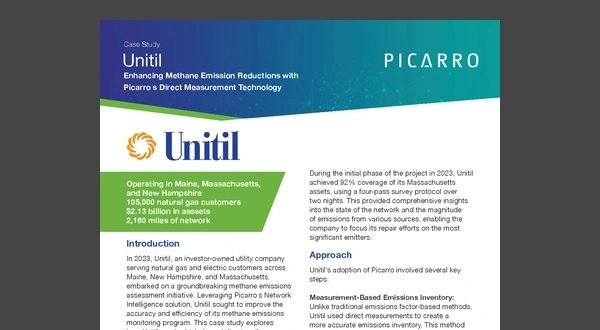
利用 Picarro 直接测量技术提升甲烷减排成效